
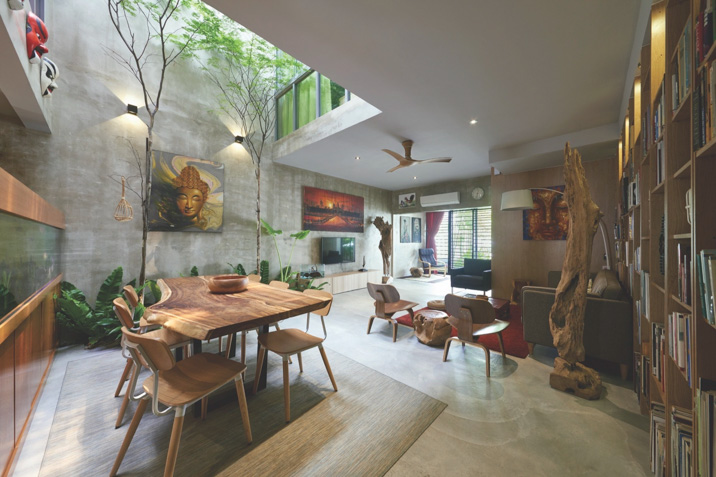
Transform Your Home with Renovation! Update your outdated kitchen or bathroom, add new flooring or expand your living space. Our skilled contractors and tradespeople will work with you to create the perfect plan to meet your needs and budget. Renovating your home can not only improve its value but also increase its energy efficiency and sustainability, resulting in long-term benefits for you and the environment. Don’t settle for a home that doesn’t fit your lifestyle – let us help you create the space of your dreams with our expert renovation services. Contact us today to schedule your consultation and take the first step towards transforming your home!
Renovation building is the process of restoring, updating, or improving an existing building. It can range from minor cosmetic changes, such as painting or replacing fixtures, to major structural modifications, such as adding new rooms or changing the layout of a building. Renovation building can be a cost-effective way to improve the functionality and appearance of a building without having to start from scratch. It is often carried out on older buildings to preserve their historic or architectural value, or to make them more energy-efficient and environmentally sustainable. Renovation building requires careful planning and coordination to ensure that the work is completed safely, within budget, and meets local building codes and regulations. It can be a complex and challenging process, but when done right, renovation building can transform an outdated or deteriorating building into a beautiful, functional, and sustainable space that meets the needs of its occupants
“The renovation process is not just about fixing what is broken, but about creating something new and better than before”
Cosmetic renovations are a popular category of construction that focuses on improving the appearance of a space. These types of projects can range from minor updates, like a fresh coat of paint, to more extensive changes, such as installing new flooring, cabinets, or lighting fixtures. Cosmetic renovations can be a cost-effective way to breathe new life into a space without requiring major structural changes. These projects are often popular for homeowners who want to update their homes or businesses looking to refresh their interior design. While cosmetic renovations are typically less involved than other types of construction projects, it’s important to plan carefully and work with professionals to ensure that the changes are made effectively and efficiently. A well-executed cosmetic renovation can transform a space and increase its value and appeal to potential buyers or tenants
Structural renovations are a category of construction that involves major changes to a building’s structural components such as walls, floors, or roofs. These types of projects are often necessary when the existing structure is no longer stable, or when significant changes to the layout or function of the building are desired. Structural renovations can include adding or removing walls, installing new support beams, or completely reconfiguring the layout of a space. These projects are typically more complex and involve a greater level of planning and coordination than other types of construction projects. They may also require significant demolition work and rebuilding, which can be disruptive and time-consuming. However, a well-executed structural renovation can transform a building and provide significant long-term benefits, such as increased functionality, improved safety, and increased property value. It’s important to work with experienced architects, engineers, and construction professionals to ensure that the renovation is designed and executed to meet the specific needs of the building and its occupants, while adhering to safety and building code requirements.
Historical renovation is a category of construction that focuses on preserving the original design and historical features of a building while making necessary repairs or updates. These types of projects are often undertaken to restore important cultural or architectural landmarks, such as historic homes, government buildings, or museums. Historical renovation projects can involve a range of construction activities, from repairing or replacing damaged or deteriorated elements, such as windows or roofing, to upgrading mechanical systems, such as heating or electrical, while preserving the original appearance of the building. Historical renovations require careful planning and coordination, often with regulatory agencies that have jurisdiction over the building. In some cases, the renovation work must adhere to strict guidelines to ensure that the historical integrity of the building is preserved. Successful historical renovation projects can help to preserve important cultural and architectural landmarks for future generations, while also improving the safety, functionality, and energy efficiency of the building.
Adaptive reuse is a category of construction that involves repurposing an existing building for a new use. This type of construction project can be a creative and sustainable way to breathe new life into a building that may no longer be suited for its original purpose. Examples of adaptive reuse projects can include converting a factory into apartments, transforming a church into a community center, or turning an old warehouse into an office space. Adaptive reuse projects can offer many benefits, such as preserving historic buildings and reducing waste by repurposing existing structures. However, they can also present unique challenges, such as ensuring that the building meets current safety and building code requirements, and designing the new space to meet the specific needs of the new use. Successful adaptive reuse projects require careful planning and coordination, as well as a team of experienced architects, engineers, and construction professionals who can help to identify and overcome any potential challenges. When done well, adaptive reuse projects can be a cost-effective and sustainable way to create new spaces that serve the needs of the community while preserving the character and history of existing buildings.
System upgrades are an important category of construction that focuses on improving the mechanical systems of a building, such as heating, ventilation, air conditioning, electrical, or plumbing systems. These upgrades are often necessary when the existing systems are outdated, inefficient, or no longer functioning properly. Upgrading these systems can improve energy efficiency, reduce maintenance costs, and improve the overall functionality and comfort of a building. In addition, system upgrades can help to ensure that the building meets current safety and building code requirements. These types of construction projects require careful planning and coordination, as they can often disrupt daily operations and require significant investment. However, the long-term benefits of a well-executed system upgrade can be significant, both in terms of cost savings and improved functionality. It’s important to work with experienced